
How to Price Entertainment in Your Event Budget
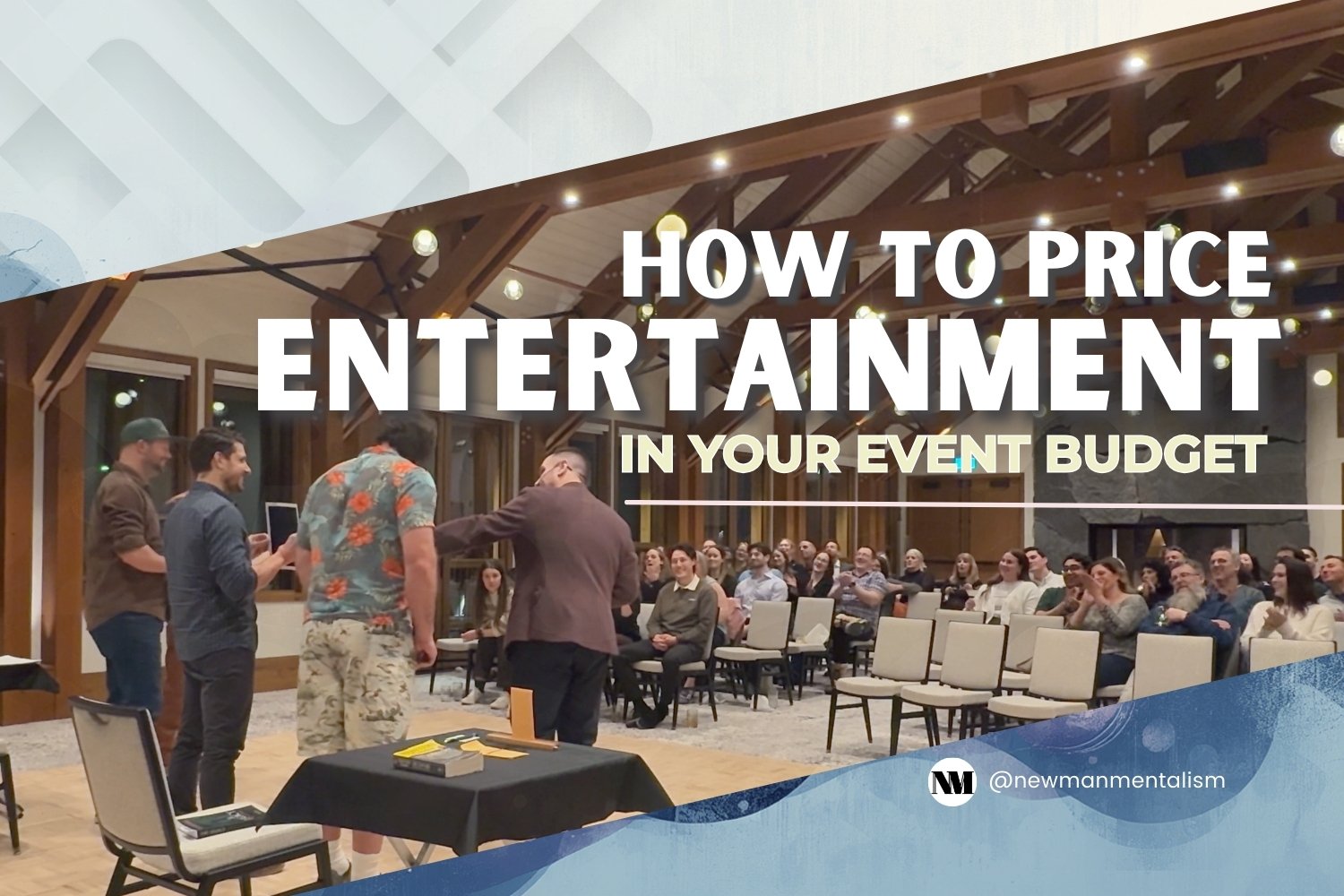
When it comes to event budget planning, one of the trickiest yet most crucial elements to get right is your entertainment budget. Wondering how to price entertainment in your event budget so it delivers maximum impact without busting your overall spend? That’s exactly what we’re diving into.
Entertainment isn’t just a “nice-to-have” on the agenda — it’s often the heartbeat of an event, shaping the mood, energy, and engagement levels of everyone in attendance. Think about the last memorable event you went to. Chances are, the entertainment played a big role in making it stand out. Whether it’s a captivating magician or a live band, quality acts create moments that linger long after the event ends.
Here’s a quick reality check: underestimating your entertainment costs or opting for cheaper, less engaging acts can backfire. Attendees notice when the vibe falls flat, and that can ripple into lower satisfaction scores or even impact fundraising results at charity events.
For those aiming at corporate gatherings or high-end fundraisers, acts like Jeff Newman Mentalism offer a stellar example of entertainment that elevates the entire experience. Known for blending mind-blowing illusions with sharp wit and audience interaction, this kind of performance commands respect when allocating your entertainment dollars wisely. In fact, if you're considering corporate entertainment, it's essential to understand how these trends can make your event unforgettable.
Moreover, if you're pondering how much a magician costs, there are several factors that influence the price, which we will also cover in this guide.
This guide will walk you through practical event entertainment pricing insights and entertainment budget tips designed to help you craft a balanced, effective budget that matches your event goals. Let’s get started.
Why Entertainment Deserves a Priority in Your Event Budget
Prioritizing quality entertainment isn’t just about filling time on the schedule, but more about setting the tone for your entire event. The value of good entertainment goes beyond flashy performances; it directly influences event attendee satisfaction and can even impact your fundraising potential if you're organizing a charity or corporate event.
How Quality Entertainment Shapes the Experience
Think about the last event you attended where the entertainment fell flat. The room likely felt quieter, guests were less engaged, and the energy dipped. When you invest in skilled entertainers (whether it's an accomplished magician like Jeff Newman Mentalism or any other type of entertainment) the atmosphere transforms. People are more relaxed, excited, and open to participating in whatever your event calls for.
Mood Booster: Dynamic acts lift spirits and encourage interaction.
Memorability: Unique experiences stick with attendees, making your event stand out.
Fundraising Impact: For charity events, engaging entertainment can inspire generosity by keeping attention focused and creating positive emotions.
Types of Entertainment That Add Serious Value
Not all entertainment is created equal when it comes to driving engagement. Consider these examples:
Skilled Magicians and Mentalists: Acts that blend mystery, interaction, and personalization naturally captivate audiences. Jeff Newman specializes in mind-reading illusions that spark conversations and create memorable moments. (By the way, if you're considering hiring a magician, be sure to check out these 7 things to look for when hiring a magician for your event.)
Live Bands or DJs: Music tailored to your audience can energize crowds or provide a classy ambiance, depending on your event’s vibe.
Interactive Performers: Comedians, dancers, or even tech-based acts (like virtual reality experiences) invite guests to participate rather than just watch.
Each option brings something different to the table, but they share one thing: they elevate the overall experience.
The Risks of Cutting Corners on Entertainment
Under-budgeting or opting for cheaper acts might seem like a quick win on paper, but it often carries hidden costs:
Lower Engagement: Boring or inexperienced performers fail to hold attention.
Negative Perception: Guests may leave with a less favourable impression of your event.
Missed Opportunities: Less impactful entertainment could lead to lower ticket sales, donations, engagement, or satisfaction, undermining broader goals.
Investing wisely in entertainment pays dividends by enhancing attendee satisfaction and supporting the success of every other element in your budget.
By putting quality entertainment near the top of your spending list, you’re not just booking a performer; you’re investing in an experience that connects with people on a deeper level. This connection can turn an ordinary gathering into an unforgettable occasion.
So next time you're planning an event, remember to rethink your event planning and add some fun.
Setting Realistic Entertainment Budget Allocations
Figuring out the right budget allocation for entertainment can feel like a balancing act. The goal is to make sure the entertainment shines without wrecking your entire event budget. Industry standards suggest setting aside anywhere from 10% to 30% of your total event costs for entertainment. The exact percentage depends on factors like event type, size, and the kind of experience you want guests to have.
Balancing Entertainment with Venue, Catering, and Decor
Entertainment isn’t an isolated expense — it shares the spotlight with some other big-ticket items:
Venue: Often the largest chunk; location and prestige play big roles here.
Catering: Food and drink budgets can quickly add up, but they’re also essential.
Decor: Sets the mood but can be tailored depending on your theme and priorities.
Allocating funds means making choices: if you want a top-tier entertainer, consider scaling back slightly on décor or opting for a simpler venue. Your guests will remember great entertainment more than how great the venue was, or how the table centrepieces looked. To ensure you make the most out of your event entertainment, consider following these 6 tips.
Cost-Saving Strategies to Free Up Entertainment Funds
Here are some practical ways to free up cash in other areas without compromising guest experience:
Simplify Food Choices: Instead of a multi-course plated meal, think about high-quality buffet stations or passed appetizers that feel classy but cut down on service costs.
Streamline Drink Options: Offer a limited selection of signature cocktails or a well-curated wine list instead of an open bar with every imaginable beverage.
Minimize Over-the-Top Decor: Use lighting creatively to transform spaces rather than investing heavily in physical decorations.
Negotiate Bundled Services: Some venues offer package deals that include catering and decor—this might free up funds to invest more in entertainment.
Budgeting smartly means knowing where trimming costs won’t hurt the vibe but will help you snag that unforgettable act. Keeping entertainment front and center in your budget planning sets the stage for a memorable event that people talk about long after it’s over. Remember, the art of corporate entertainment involves strategic planning which can boost employee morale and productivity as detailed in this insightful article on ROI of fun.
Understanding the True Costs Behind Entertainment Pricing
When figuring out how to Price Entertainment in Your Event Budget, it’s crucial to dig deeper than just the headline artist's fee. Entertainment cost factors stretch across several dimensions that can significantly affect your final spend.
What Influences Entertainment Pricing?
1. Type of Act
A solo mentalist like Jeff Newman, whose expertise in mentalism is often sought after for events, will have different pricing compared to a full band or a dance troupe. Specialized skills, such as mentalism, often command premium rates due to the uniqueness and impact of the performance. In fact, having a magician at your corporate event could enhance the overall experience significantly.
2. Duration of Performance
The longer the show, the higher the cost. Some entertainers are priced by set length or hourly rate, so knowing exactly how much time you want them on stage helps avoid surprises.
3. Equipment Needs
Acts requiring extensive technical support, such as sound systems, lighting rigs, and special effects, add to the budget. Some entertainers include basic sound and light equipment in their fees, while others expect you to rent or provide these separately.
4. Popularity Level and Demand
Well-known artists with established reputations tend to charge more. Their draw can boost event attendance, but requires balancing against budget limits.
Hidden or Additional Costs to Watch For
Entertainment pricing doesn’t end with the initial fee. Some common hidden expenses:
Travel Expenses: If your entertainer travels from out of town, transportation costs like airfare, mileage, or per diems might be added.
Accommodation Fees: Overnight stays may be necessary for multi-day events or distant locations.
Licensing and Permit Fees: Certain venues require performance licenses or event permits that sometimes fall under your responsibility. This is especially relevant for outdoor events or those featuring copyrighted music.
Being aware of these potential extras lets you allocate funds more precisely and prevents last-minute budget stress.
Knowing what drives entertainment costs helps craft a realistic budget that respects both quality expectations and financial boundaries. This insight also prepares you better for negotiation and exploring package deals that could bundle services efficiently without sacrificing value.
Negotiation and Timing Strategies to Optimize Entertainment Costs
Booking entertainment smartly can make a big difference in your event budget without compromising on quality.
Approaching negotiation with clear communication sets the tone for success:
Be upfront about your budget range. This helps entertainers tailor their offerings or suggest alternatives.
Ask for a detailed breakdown of what’s included in their fee (setup, performance time, equipment).
Inquire about flexibility on timing and additional services.
Show interest in building a relationship rather than just making a one-off deal; entertainers appreciate clients who value their craft and are easier to work with long-term.
Keep in mind that some entertainers may offer discounts if they can use the event footage or photos for their promotion, so don’t hesitate to ask if you’re comfortable with that.
Smart timing and negotiation strategies turn entertainment from a budget stressor into an asset, letting you deliver memorable experiences without breaking the bank.
Planning for Contingencies in Your Entertainment Budget
When it comes to budgeting for entertainment, having a cushion set aside as contingency funds for events is more than just smart; it’s essential. Allocating between 5% to 25% of your entertainment budget specifically for unexpected costs can save you from scrambling at the last minute.
Think about those moments when the sound system needs an upgrade or extra lighting gear pops up as a must-have. These are classic examples of unexpected event costs that can sneak into your plan:
Last-minute technical requirements (e.g., additional microphones, speakers)
Requests for extended performance times beyond the original agreement
Additional staffing or crew needed on-site due to unforeseen circumstances
Emergency replacements if an entertainer falls ill or equipment fails
Risk management in budgeting means preparing not just for what you expect but also what might surprise you. Events rarely stick perfectly to the initial script, especially when entertainment is involved. Having those contingency funds allows you to handle upgrades, troubleshoot technical glitches, and maintain the quality and flow of your event without stress.
Allocating this buffer is a proactive way to keep your event running smoothly and ensure that neither you nor your guests experience interruptions caused by avoidable financial shortfalls related to entertainment.
Comprehensive Budgeting: Include All Related Entertainment Expenses
When thinking about how to Price Entertainment in Your Event Budget, it’s tempting to focus solely on the headline artist's fee. That’s just one piece of the puzzle, though. A truly comprehensive event budgeting approach digs deeper into all the components that make entertainment happen smoothly and impressively.
Artist Fees Are Just the Start
The fee for your entertainer—whether it’s a mentalist like Jeff Newman or another act—is the foundation. But remember, this number usually covers performance time and basic preparation only.
Technical Requirements Budgeting
Events often require extra gear beyond what the artist brings. Consider:
Sound systems: microphones, speakers, mixers
Lighting setups: spotlights, ambient lighting, special effects
Stage equipment: risers, backdrops, screens
These technical needs can be rented from vendors or sometimes provided by the venue, but either way, they add costs. Request detailed quotes early so you’re not surprised when the invoice arrives.
Travel Expenses for Entertainers
If your event draws talent from outside your area, travel costs become significant. Flights, mileage reimbursement, accommodations, meals…they all factor in. Clarify with entertainers what their travel policies include and budget accordingly.
Licensing and Permit Fees
Certain venues or city regulations require permits for live performances. These might cover everything from music licensing fees (especially for bands playing copyrighted songs) to public performance permits. Ignoring this can result in fines or even shutdowns.
“Always ask your venue about necessary permits and licensing well ahead of the event date.”
Extras to Keep on Your Radar
Setup and teardown time: Some entertainers charge for hours spent before and after the show.
Additional performers or assistants: If your act requires support staff (technicians, assistants), their fees should be included.
Insurance requirements: Some venues may request proof of liability insurance from entertainers; confirm if that affects costs.
Accounting for these elements helps craft a realistic entertainment budget that reflects actual expenses, not just sticker-price quotes.
This attention to detail makes sure your entertainment shines without throwing off your entire event budget. It also sets expectations clearly between you and your talent, reducing last-minute surprises as showtime approaches.
Considering Revenue Impact When Pricing Entertainment
When planning your event budget, it’s easy to focus solely on costs and overlook how entertainment can directly influence your revenue streams.
How Entertainment Drives Ticket Sales
Picture this: you’re choosing between two events. One features a well-known mentalist with a polished act that promises engagement and wow moments, like Jeff Newman's interactive performances. The other offers generic background music with no standout performer. Which one are you more likely to buy a ticket for? High-quality entertainment creates buzz, builds anticipation, and gives attendees a clear reason to prioritize your event over others.
Key ways entertainment boosts ticket sales:
Creates memorable experiences: People want stories to share after the event. A captivating show increases word-of-mouth promotion.
Raises perceived value: Premium acts elevate the overall event appeal, allowing organizers to justify higher ticket prices.
Encourages early purchases: Announcing headline entertainers can drive early bird sales as eager fans secure their spots.
Sponsorships and Their Impact on Budgeting
Sponsorship dollars often hinge on the quality and visibility of what sponsors are backing. An event featuring top-tier entertainment becomes a more attractive platform for brands looking to associate with engaging and successful experiences.
Sponsors consider:
Audience engagement: Entertaining acts keep guests hooked longer, increasing sponsor exposure.
Brand alignment: Unique performances like Jeff Newman’s interactive mentalism can align perfectly with innovative or luxury brands.
Media coverage potential: High-profile entertainment can boost press interest, benefiting sponsor visibility beyond the event day.
This means you can pitch sponsorship packages at higher levels if your entertainment is a standout element rather than an afterthought.
Budget Adjustments Based on Expected Revenue
Knowing the revenue impact allows you to balance your entertainment spend strategically instead of arbitrarily cutting costs. For instance:
If ticket sales projections rise because of a sought-after performer, it makes sense to allocate more funds toward booking that act.
Conversely, if sponsorship commitments increase due to premium entertainment offerings, those additional funds may offset higher artist fees without straining your overall budget.
Think of your entertainment budget as an investment—not just an expense—with measurable returns in ticket income and sponsorship opportunities.
Understanding how ticket sales are influenced by entertainment and sponsorships' impact on the budget encourages smarter budgeting decisions that support both the attendee experience and financial goals. This mindset helps transform entertainment from a line item into a powerful revenue driver for your event. Moreover, insights from corporate magicians can further enhance your planning process by providing strategies for executing high-class events that maximize both attendee satisfaction and profitability.
Wrapping It Up: Your Next Step in Entertainment Budgeting
If you’re wondering where to start when it comes to how to price entertainment in your event budget, looking at proven, high-quality acts can make all the difference. Jeff Newman Mentalism offers a standout option for those aiming to elevate their corporate events or fundraisers with premium entertainment.
Why consider Jeff Newman? His performances don’t just fill time. They captivate audiences, spark conversations, and add a layer of sophistication that resonates with guests.
Thinking about booking professional entertainers in Calgary? Jeff’s reputation across Western Canada speaks for itself, blending mentalism artistry with a polished presentation tailored to your event’s vibe.
Looking for premium event entertainment in Western Canada? This is where innovation meets experience, ensuring your entertainment budget translates into memorable moments worth every dollar.
Curious to see what this looks like in action? Dive deeper at newmanmentalism.com — explore services, read testimonials, and reach out for booking inquiries. Your event deserves more than just entertainment; it deserves an experience.
FAQs (Frequently Asked Questions)
Why is it important to prioritize quality entertainment in my event budget?
Prioritizing quality entertainment is crucial because it significantly influences attendee engagement, mood, and overall event success. Good entertainment enhances attendee satisfaction and can increase fundraising potential, making your event more memorable and impactful.
What percentage of my total event budget should I allocate to entertainment?
Typically, allocating a realistic percentage of your total event costs—often ranging between 10% to 30%—to entertainment is advisable. Balancing this with other major expenses like venue, catering, and decor ensures you can secure high-quality acts without overspending.
What factors affect the pricing of entertainment for events?
Entertainment pricing depends on various factors, including the type of act, duration of performance, technical requirements such as sound and lighting equipment, popularity level of the entertainer, and any additional costs like travel expenses or licensing fees. Obtaining detailed quotes helps in understanding these costs thoroughly.
How can I optimize entertainment costs without compromising quality?
You can optimize costs by negotiating fees with entertainers, booking during off-peak days or times to secure discounts, and exploring package deals that combine multiple acts or services. Effective communication and negotiation strategies are key to achieving quality entertainment within budget.
Why should I include contingency funds in my entertainment budget?
Allocating 5% to 25% contingency funds specifically for entertainment helps manage unexpected expenses such as last-minute technical needs or extended performance times. This risk management approach ensures your event runs smoothly even when unforeseen costs arise.
Planning a corporate event in Calgary, Edmonton, or anywhere across Canada? Jeff Newman delivers a show that will have your guests talking long after the night ends. Visit the corporate events page to learn more, or get in touch directly through the contact page.
